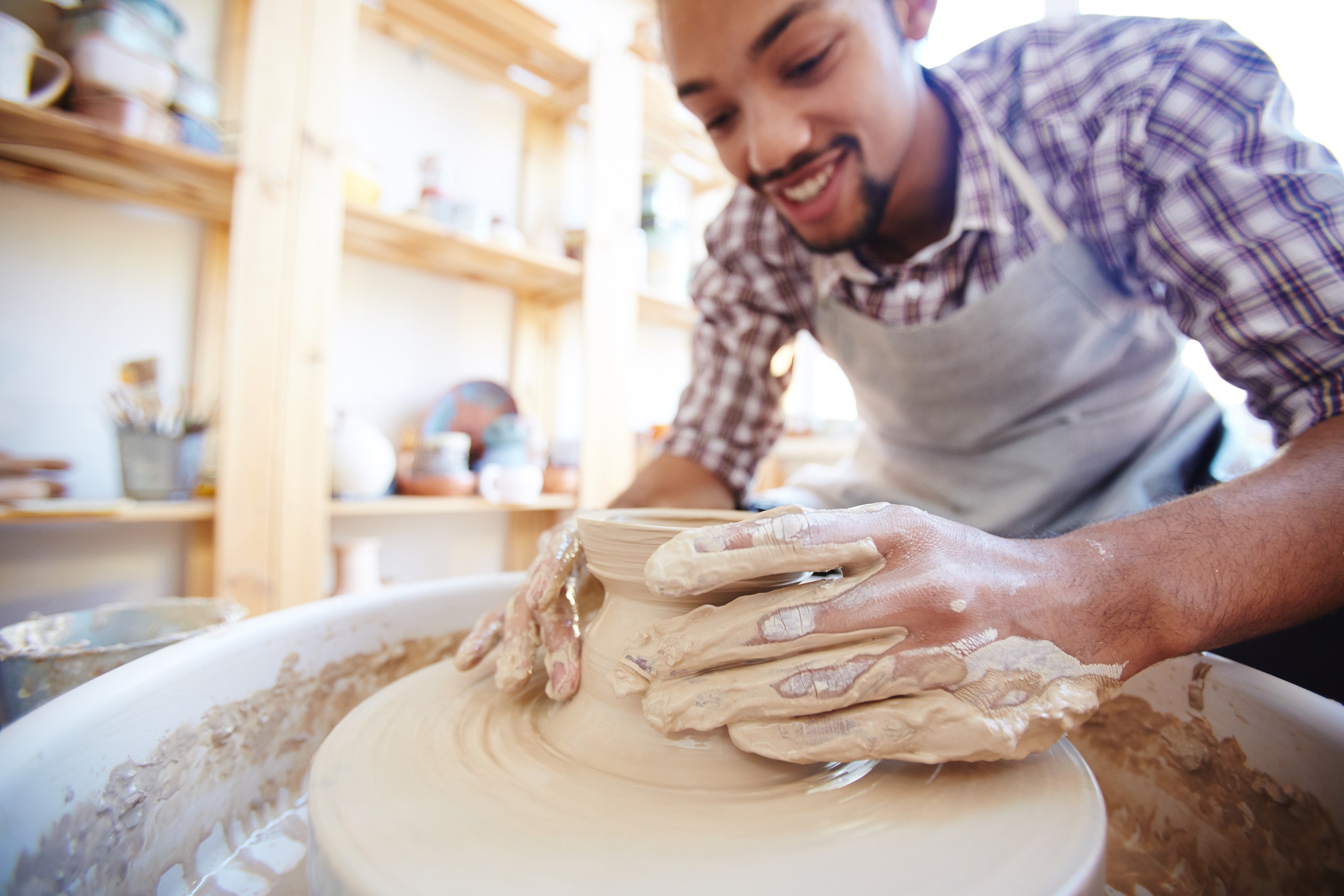
Turning a simple lump of clay into a beautiful ceramic object is a creative experience that combines imagination, patience, and practical skills. Whether you dream of making your own coffee mug, shaping a decorative bowl, or exploring pottery as a relaxing hobby, learning the basics can open the door to countless possibilities. A pottery class gives you the opportunity to experiment with materials, understand traditional techniques, and discover the satisfaction of creating something with your own hands.
Exploring pottery classes Austin has to offer is a great way to find a learning experience that matches your interests and skill level. From introductory sessions for complete beginners to workshops that focus on specific techniques, there are different ways to discover ceramic art. Choosing the right class can help you feel comfortable, develop new abilities, and enjoy every stage of the pottery-making process.
Understand Your Goals Before Booking
Before selecting a pottery class, think about what you want to achieve. Perhaps you are looking for a fun activity to enjoy with friends, a creative break from work, or a new hobby you can develop over time.
If you are a beginner, an introductory workshop may be the best option. These classes typically explain the essential tools, clay preparation, and basic shaping methods without requiring previous experience.
If you already have some pottery knowledge, you might prefer a class that focuses on wheel throwing, advanced hand-building, or decorative techniques. Understanding your goals makes it easier to choose a session that feels both enjoyable and worthwhile.
Explore Hand-Building Techniques
Hand-building is an accessible way to begin working with clay because it allows you to create objects without using a pottery wheel. Instead, you shape the material with your hands and simple tools.
Pinching involves pressing and shaping clay with your fingers to create small vessels. Coiling uses rolled strands of clay to build taller forms, while slab construction involves flattening clay into sheets and joining them to create dishes, trays, and decorative objects.
These techniques encourage creativity because you can experiment with different shapes, textures, and designs. They are also useful for understanding how clay behaves as you press, smooth, and join different sections.
A guided class can help you practice these methods while giving you the freedom to develop your own ideas.
Try the Pottery Wheel
Wheel throwing offers a different experience for people who want to learn how rotating clay can become a symmetrical ceramic form. This technique is commonly used to create bowls, cups, and vases.
Your instructor will usually demonstrate how to center the clay before opening its middle and raising the walls. These movements require steady hands and controlled pressure, so beginners should expect to practice rather than master everything immediately.
A class with clear demonstrations and individual guidance can make the learning process more approachable. Even if your first attempt is uneven, you will gain a better understanding of the technique and how to improve.
Consider the Studio Environment
The atmosphere of a pottery studio can influence your overall experience. Look for a class that provides clear instructions, suitable equipment, and a welcoming setting where participants can ask questions.
Class size may also matter. Smaller groups can sometimes provide more opportunities for individual feedback, while larger workshops may offer a lively social atmosphere.
Before booking, review the class description, schedule, pricing, and participant requirements. If you are attending with friends or family, check whether group bookings are available.
Understand the Journey From Clay to Ceramic
Shaping your project is only one part of pottery making. Once the form is complete, the clay usually needs time to dry before it can be trimmed and fired in a kiln.
Glazing may follow, adding color, texture, or a protective finish to the surface. Depending on the studio's process, these steps may happen after your initial class.
Ask whether materials, glazing, firing, and finished-piece collection are included in the booking. Understanding the full process helps you plan your visit and appreciate the time involved in producing finished ceramics.
Find the Right Pottery Experience in Austin
Choosing a pottery class is about finding the right balance between learning, creativity, and enjoyment. Whether you prefer hand-building or want to try the pottery wheel, a suitable workshop can help you develop skills while exploring your artistic interests.
Start with a class that matches your experience, remain open to experimentation, and enjoy the process of turning raw clay into something personal. With practice and curiosity, your first pottery experience in Austin could inspire a lasting interest in ceramic art. Family-Friendly Pottery Workshops That Let Young Artists Create
#PotteryWheel #HandBuilding