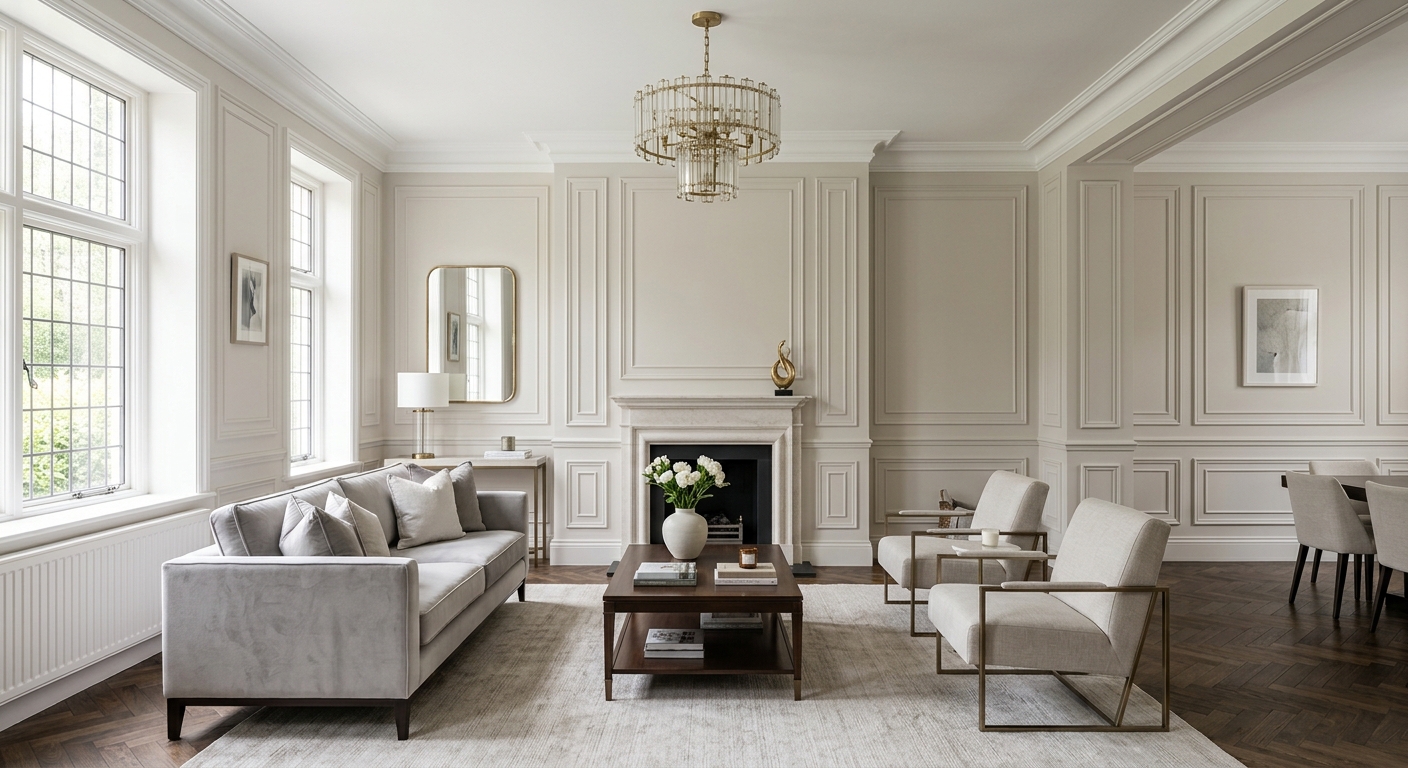
Creating an elegant interior often comes down to the details that bring balance, depth, and character to a room. Walls offer an excellent opportunity to introduce decorative elements without overcrowding the space. picture frame wall molding is a timeless design feature that transforms plain surfaces into sophisticated architectural statements. With carefully planned layouts, homeowners can create interiors that feel refined, organized, and visually appealing.
Understanding Picture Frame Wall Molding
Picture frame wall molding involves arranging decorative trim into rectangular or square frames directly on a wall. These outlines create the appearance of traditional wall panels while adding structure and dimension to the room. Whether used in a classic living room, a contemporary bedroom, or an elegant dining area, this technique can complement a wide range of interior styles. Choosing suitable molding profiles and proportions helps achieve a cohesive result that feels intentional rather than decorative for its own sake.
Symmetrical Layouts for Timeless Elegance
Symmetrical arrangements are among the most popular choices for formal and traditional interiors. In this design, rectangular molding frames are positioned evenly across the wall, creating a balanced appearance. Consistent spacing between panels helps establish visual rhythm, while matching frame dimensions make the entire composition feel harmonious.
This layout works particularly well behind sofas, along dining room walls, and in entrance halls. For a more traditional effect, homeowners can combine the panels with neutral paint colors, decorative ceiling details, and classic furniture. However, symmetry does not require excessive ornamentation. Simple molding profiles can deliver an equally sophisticated appearance when installed with precision.
Modern Layouts for Contemporary Spaces
Picture frame molding can also enhance modern interiors when used with clean lines and minimal decoration. Instead of filling a wall with numerous small frames, designers may choose a few large rectangular panels that emphasize height and openness. Vertical frames can make ceilings appear taller, while wider horizontal arrangements can create a sense of spaciousness.
For contemporary rooms, consider painting the molding the same color as the wall. This monochromatic approach allows shadows and subtle relief to provide visual interest without introducing strong contrasts. Soft white, warm beige, muted gray, and earthy tones are versatile choices for creating a calm and sophisticated atmosphere.
Creating Accent Walls with Decorative Frames
An accent wall provides an opportunity to experiment with more distinctive molding arrangements. A large central frame can highlight a bed's headboard, a fireplace, or a carefully positioned piece of artwork. Smaller frames placed around the main panel can complete the composition without distracting from the focal point.
When planning an accent wall, consider the size and placement of existing furniture. Molding should complement the room's proportions rather than compete with its main features. Leaving enough space around each frame also prevents the wall from looking crowded. Before installation, marking the proposed layout with painter's tape can help visualize the finished design and identify adjustments that may be necessary.
Choosing the Right Materials and Finishes
The appearance of wall molding depends on both its profile and its finish. Simple, narrow trim suits understated interiors, while wider profiles with decorative detailing can create a more traditional atmosphere. Lightweight materials, including polyurethane, are popular options because they can provide detailed designs without the weight of some conventional materials.
Paint selection is equally important. Contrasting molding colors make individual frames stand out, whereas matching finishes produce a more subtle, integrated effect. Satin or semi-gloss paint can emphasize the trim's contours, while matte finishes offer a softer, contemporary appearance. The best choice depends on the room's lighting, color palette, and overall design direction.
Planning a Successful Installation
Accurate measurements are essential for achieving professional-looking results. Begin by measuring the wall and identifying obstacles such as electrical outlets, switches, doors, and windows. Establish consistent margins around the layout and check that each frame aligns properly with nearby architectural features.
Use a level and measuring tools to maintain straight lines and even spacing. Clean, precise corner joints are particularly important because uneven connections can make an otherwise attractive design look unfinished. Preparing the wall surface and selecting suitable adhesive and installation methods will also contribute to a durable result.
Conclusion
Picture frame wall molding offers a versatile way to introduce architectural elegance into almost any interior. From symmetrical traditional panels to oversized contemporary frames, the right layout can improve proportions, emphasize focal points, and add character to plain walls. By considering room dimensions, furniture placement, molding profiles, and paint finishes, homeowners can create a balanced design that remains attractive for years. Careful planning and precise installation ensure that this classic decorative feature enhances the entire room rather than simply adding decoration. How to Create Tall Wall Panels with Decorative Trim
#PolyurethaneMoldings #WallDecor