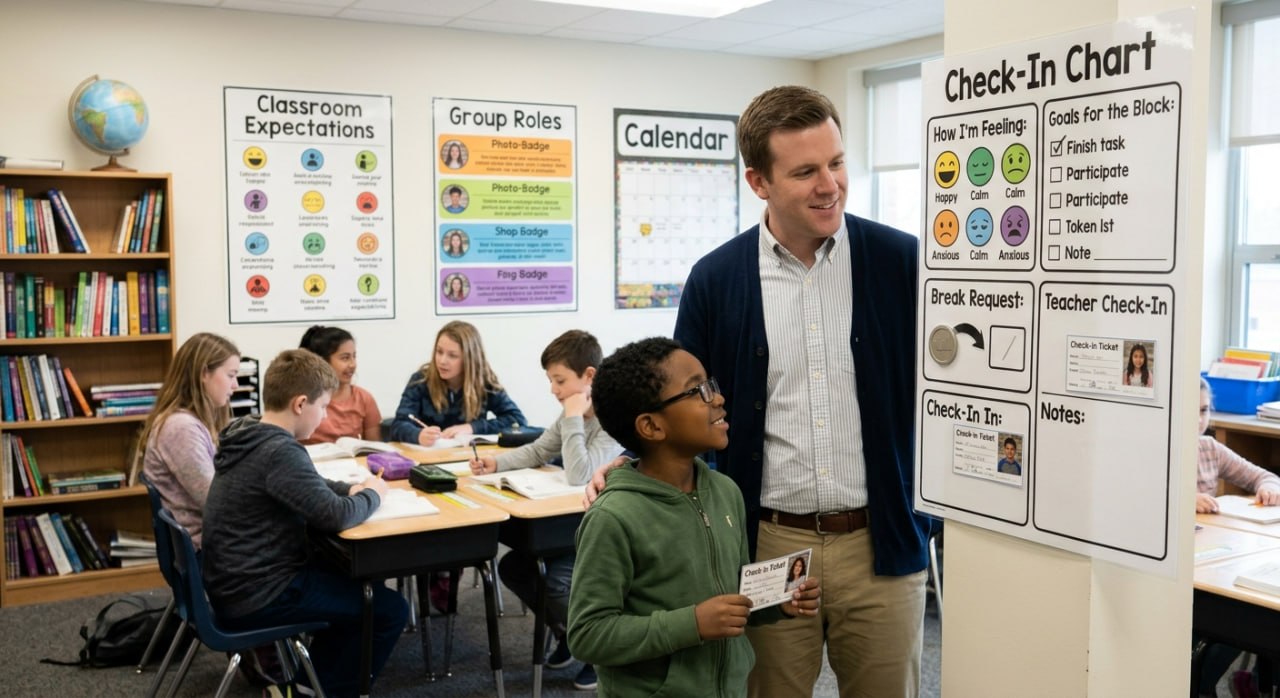
Managing a classroom can be one of the most challenging responsibilities for teachers. Every student has a different personality, learning style, emotional background, and set of needs. While some students follow classroom rules easily, others may struggle with attention, motivation, communication, or behavior. These challenges can sometimes disrupt lessons and affect the overall learning environment. However, with patience, consistency, and the right approach, teachers can create a positive classroom where every student feels supported and respected.
Implementing classroom management strategies for difficult students requires understanding the reasons behind their behavior rather than simply reacting to their actions. Students who frequently interrupt lessons, refuse to complete assignments, or struggle to follow instructions may be dealing with frustration, learning difficulties, or personal challenges. Teachers who identify these underlying causes can respond more effectively and build stronger relationships with their students.
1. Build Positive Relationships with Students#
A strong teacher-student relationship is the foundation of effective classroom management. Students are more likely to respect teachers when they feel valued, understood, and appreciated. Teachers should take time to learn about their students' interests, strengths, and individual challenges.
Simple actions, such as greeting students by name, listening to their concerns, and recognizing their achievements, can make a significant difference. When students trust their teachers, they are generally more willing to cooperate and participate in classroom activities.
2. Establish Clear Classroom Rules and Expectations#
Students need to understand what behavior is acceptable and what is expected of them. Teachers should establish a few simple, age-appropriate classroom rules at the beginning of the school year. These rules should be explained clearly and applied consistently.
For example, expectations may include listening when someone is speaking, respecting classmates, completing assignments, and raising a hand before asking questions. Displaying classroom rules where everyone can see them helps students remember their responsibilities.
It is also helpful to involve students in creating classroom expectations. When they participate in the process, they may feel more responsible for maintaining a respectful learning environment.
3. Use Positive Reinforcement#
Positive reinforcement encourages students to repeat desirable behaviors. Instead of focusing only on mistakes, teachers should recognize and appreciate students when they demonstrate improvement.
Praise, encouraging words, classroom privileges, and achievement charts can motivate students to make better choices. For example, a teacher might acknowledge a student for completing an assignment on time or showing kindness toward a classmate.
Recognition should be genuine and focused on effort, progress, and positive behavior rather than comparison with other students.
4. Understand the Reasons Behind Challenging Behavior#
Difficult behavior often communicates an unmet need. A student who frequently interrupts lessons may be seeking attention, while another who refuses to participate may feel overwhelmed or lack confidence.
Teachers should observe patterns and consider what happens before and after challenging behavior. Understanding possible triggers makes it easier to choose appropriate responses.
Instead of immediately punishing students, teachers can speak with them privately, ask open-ended questions, and provide appropriate support. This approach encourages communication and helps students develop better emotional awareness.
5. Keep Lessons Engaging and Interactive#
Boredom and lack of engagement can contribute to classroom disruptions. Teachers can reduce these challenges by introducing activities that encourage participation and active learning.
Group discussions, educational games, creative projects, practical demonstrations, and short classroom activities can make lessons more interesting. Breaking lengthy assignments into smaller tasks can also help students who struggle with concentration.
Providing different learning opportunities allows students with varying abilities and interests to participate more confidently.
6. Respond to Misbehavior Calmly and Consistently#
Teachers should avoid reacting emotionally when students display challenging behavior. Shouting, embarrassing students publicly, or making threats can damage relationships and increase classroom tension.
Instead, use calm communication, clear reminders, and reasonable consequences. Whenever possible, address behavioral concerns privately and give students an opportunity to explain their actions.
Consistency is equally important. Classroom rules should apply fairly to everyone, regardless of academic performance or personal relationships.
7. Encourage Student Responsibility and Independence#
Students should gradually learn to manage their own behavior and take responsibility for their decisions. Teachers can encourage this by giving students classroom responsibilities, offering appropriate choices, and helping them reflect on their actions.
For example, asking a student what they could do differently next time encourages problem-solving rather than simply accepting punishment.
Conclusion#
Effective classroom management requires more than controlling student behavior. It involves building trust, setting clear expectations, understanding individual needs, and creating meaningful learning experiences. By applying these practical strategies consistently, teachers can reduce classroom disruptions while encouraging respect, confidence, and responsibility. Every student deserves an opportunity to succeed, and a supportive classroom environment can make that opportunity possible.
Comments (0)
Join the discussion. Comments are moderated before appearing.
No comments yet. Be the first to share your thoughts.